Insights & Guides

Blog

Packaging tips, material comparisons, and industry insights from our team.

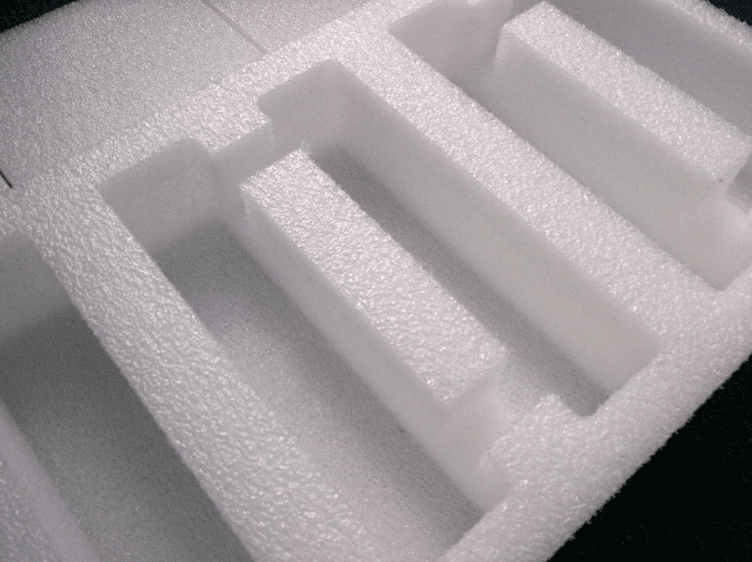
EPE Foam vs Thermocol: Which Packaging Material Is Better?
·4 min read

EPE Foam vs Thermocol: Which Packaging Material Is Better?

EPE foam and thermocol (EPS) are the two most common protective packaging materials in India. While thermocol has been the default choice for decades, EPE foam is rapidly replacing it across industries. EPE foam is flexible, reusable, waterproof, and non-toxic — making it the better option for electronics, automotive, medical, and export packaging. Thermocol is rigid, breaks easily under repeated impact, absorbs moisture, and cannot be reused. It is also increasingly restricted under environmental regulations. For any application where product safety, reusability, and compliance matter, EPE foam is the clear winner.

Read More →

How Custom Foam Inserts Reduce Product Damage by Up to 90%
·5 min read

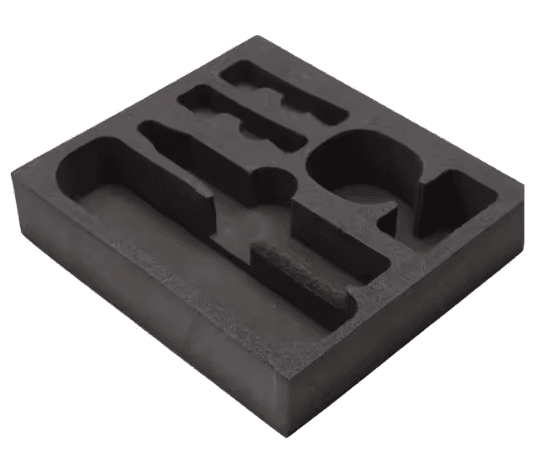
How Custom Foam Inserts Reduce Product Damage by Up to 90%

Product damage during shipping costs Indian manufacturers crores every year. The primary cause is packaging that does not match the product shape — leaving items free to shift, collide, and absorb impact unevenly. Custom foam inserts solve this by creating a precise cavity that holds each product snugly in place. The foam absorbs shock from all directions, distributes force evenly, and prevents surface contact between products. Industries that switch from generic padding to custom-cut inserts typically see damage rates drop from 8–12% to under 1%. The upfront cost of die-cut tooling is recovered within the first few shipments through reduced returns, replacements, and insurance claims.

Read More →
Export Packaging Standards Every Indian Manufacturer Should Know
·6 min read

Export Packaging Standards Every Indian Manufacturer Should Know

Exporting products from India requires packaging that meets international standards — not just for product protection but for customs compliance. ISPM-15 regulates wood packaging materials used in international trade and requires heat treatment or fumigation certification. For non-wood packaging like EPE foam, the focus shifts to moisture barriers, cushioning performance (measured in G-force attenuation), and labelling requirements. Different markets have additional standards: the EU mandates RoHS-compliant materials, the US requires ASTM D4169 transit testing for high-value goods, and Japan enforces strict cleanliness standards. Working with a packaging partner who understands these requirements from the design stage prevents costly rejections at port.

Read More →

Need Packaging Advice?

Our team is happy to help you choose the right materials for your application.

Ask Us on WhatsApp
98986 06618
WhatsApp